
Hope in the Wild
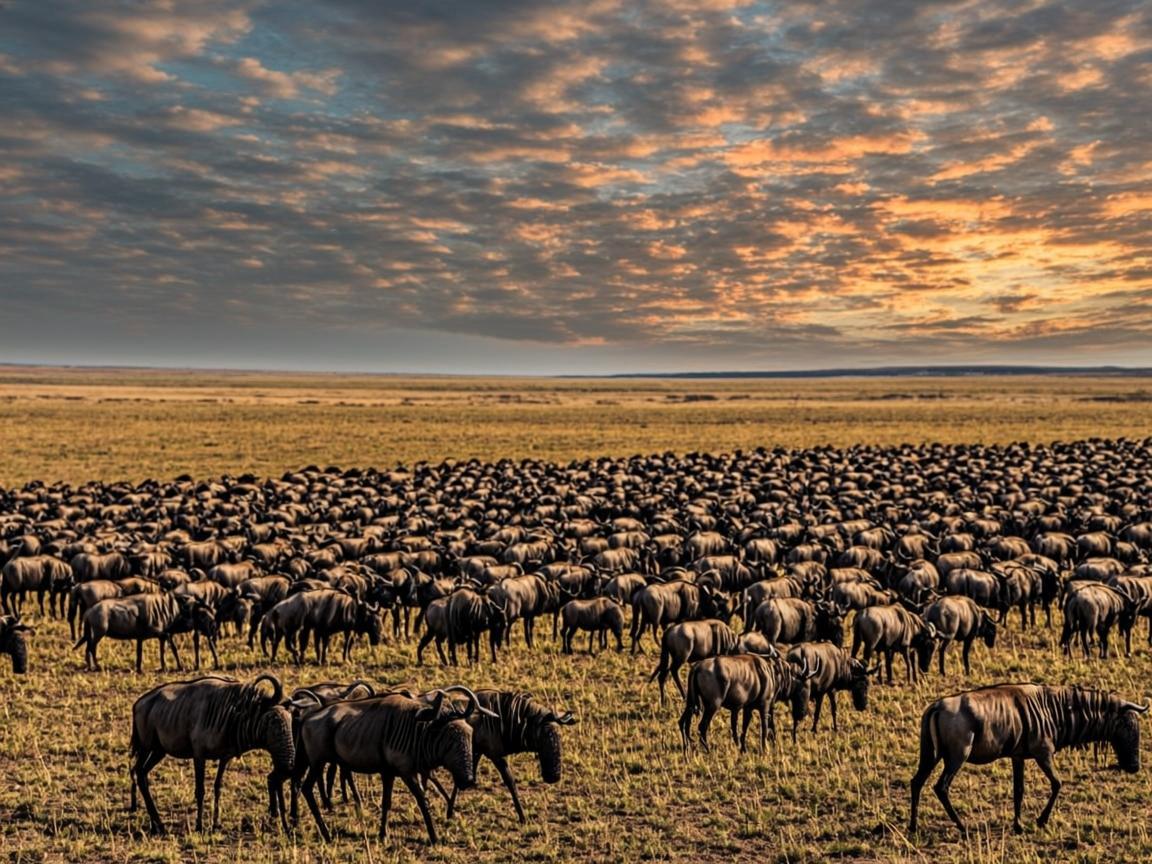
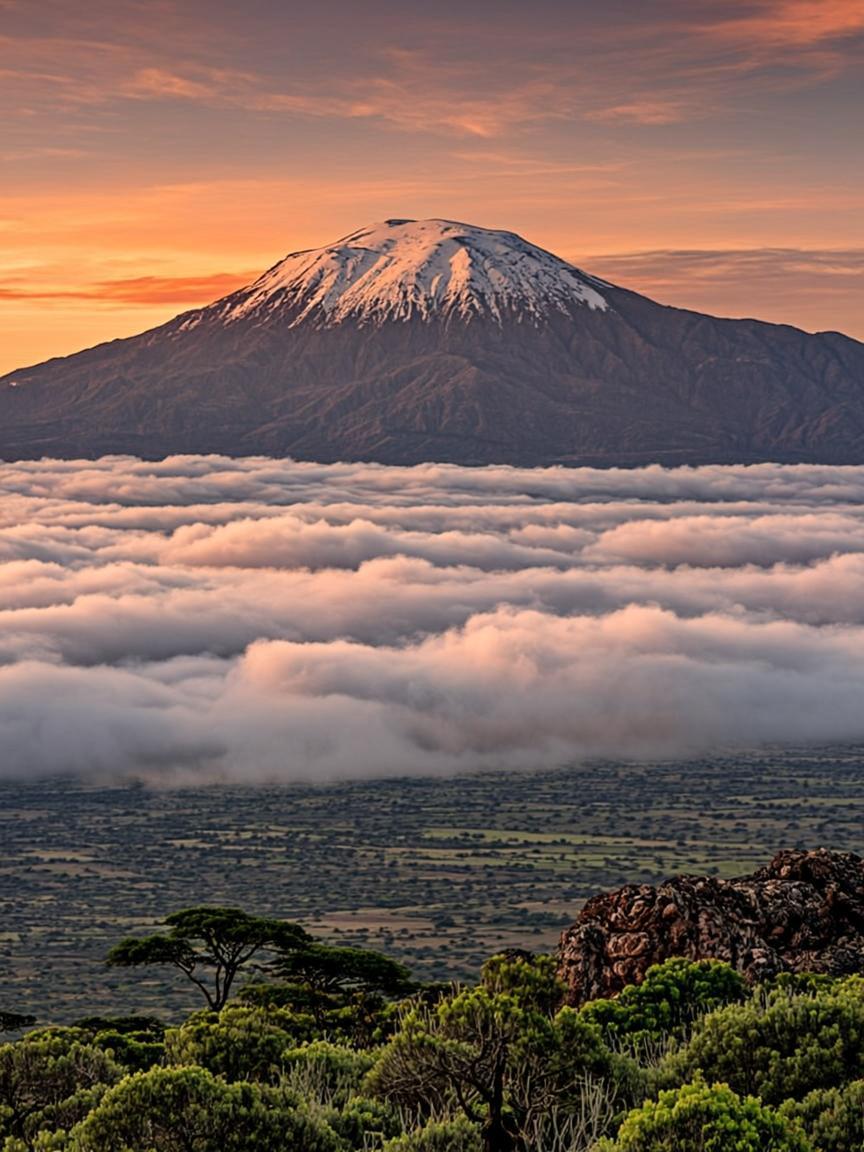
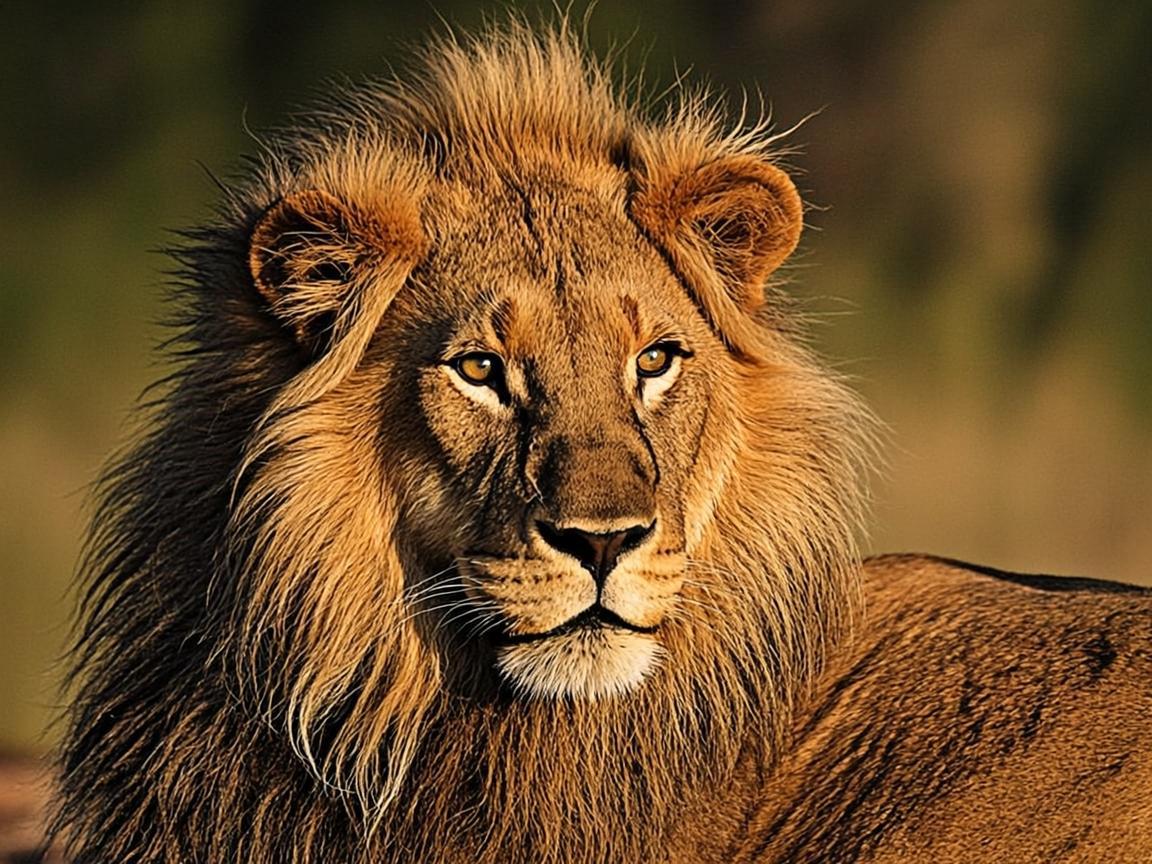
In an era of alarming global biodiversity loss, Tanzania stands as a beacon of hope. While challenges remain, the country's conservation successes demonstrate what is possible when communities, governments, and organizations work together. These stories of recovery and resilience inspire our work and give us confidence that Tanzania's wildlife heritage can be preserved for future generations.
Black Rhino Recovery
Black rhinos were once widespread across Tanzania, but poaching in the 1970s and 1980s decimated populations, with numbers falling from over 10,000 to fewer than 100. Today, thanks to intensive protection efforts, Tanzania's black rhino population is slowly recovering. The Ngorongoro Crater hosts one of the most closely monitored populations, with round-the-clock ranger protection. The Serengeti's Moru Kopjes area has also seen successful reintroduction, with rhinos bred in semi-captive conditions gradually being released into the wild. Each new calf is a victory celebrated across the conservation community.
Maasai Community Conservation
Perhaps the most inspiring conservation story in Tanzania is the growing involvement of Maasai communities in wildlife protection. In areas like the Randilen Wildlife Management Area, Maasai communities have voluntarily set aside grazing land for wildlife, creating crucial corridors that connect Tarangire National Park with surrounding dispersal areas. In return, communities receive direct benefits from tourism revenue, creating a powerful economic incentive for conservation. The result: wildlife populations in community areas are stable or increasing, while livestock grazing is managed sustainably.
Sea Turtle Protection in Zanzibar
Zanzibar's beaches are critical nesting grounds for green and hawksbill sea turtles. Community-based conservation programs at Nungwi, Kendwa, and Jambiani employ local people to monitor nesting beaches, protect eggs from predators and poachers, and release hatchlings safely into the ocean. These programs have dramatically increased hatchling survival rates and provide sustainable income for former egg collectors who are now turtle guardians. Tourists can participate in hatchling releases, creating memorable experiences that directly fund conservation.
Wild Dog Reintroduction
The African wild dog is one of the continent's most endangered carnivores, with fewer than 6,000 remaining in the wild. Tanzania's Selous Game Reserve (now Nyerere National Park) and Ruaha National Park are strongholds for wild dog populations. Conservation organizations have worked with park authorities to monitor packs, reduce human-wildlife conflict, and protect denning sites. In the Serengeti ecosystem, wild dogs have naturally recolonized areas from which they had previously disappeared, likely due to improved protection and connectivity with surrounding landscapes.
Chimpanzee Conservation at Gombe
Gombe Stream National Park is synonymous with Jane Goodall's groundbreaking research, which began in 1960 and continues today. The long-term study of Gombe's chimpanzees is the longest-running wildlife research project in the world. This research has not only transformed our understanding of our closest relatives but has also driven conservation action. The Jane Goodall Institute's TACARE program works with communities around Gombe to address deforestation, promote sustainable agriculture, and improve livelihoods — recognizing that conservation cannot succeed without addressing the needs of people who share the landscape.
How Your Safari Supports Conservation
Every safari booked with Hadada Safaris contributes directly to conservation. Park fees fund ranger patrols and anti-poaching operations. Community tourism levies support local schools and healthcare. We also donate a portion of our revenue to partner conservation organizations. When you travel with us, you are not just witnessing wildlife — you are helping to protect it for future generations. Conservation is not a spectator sport; it requires participation, and tourism is one of the most effective ways to make a positive impact.