Why Packing Right Matters
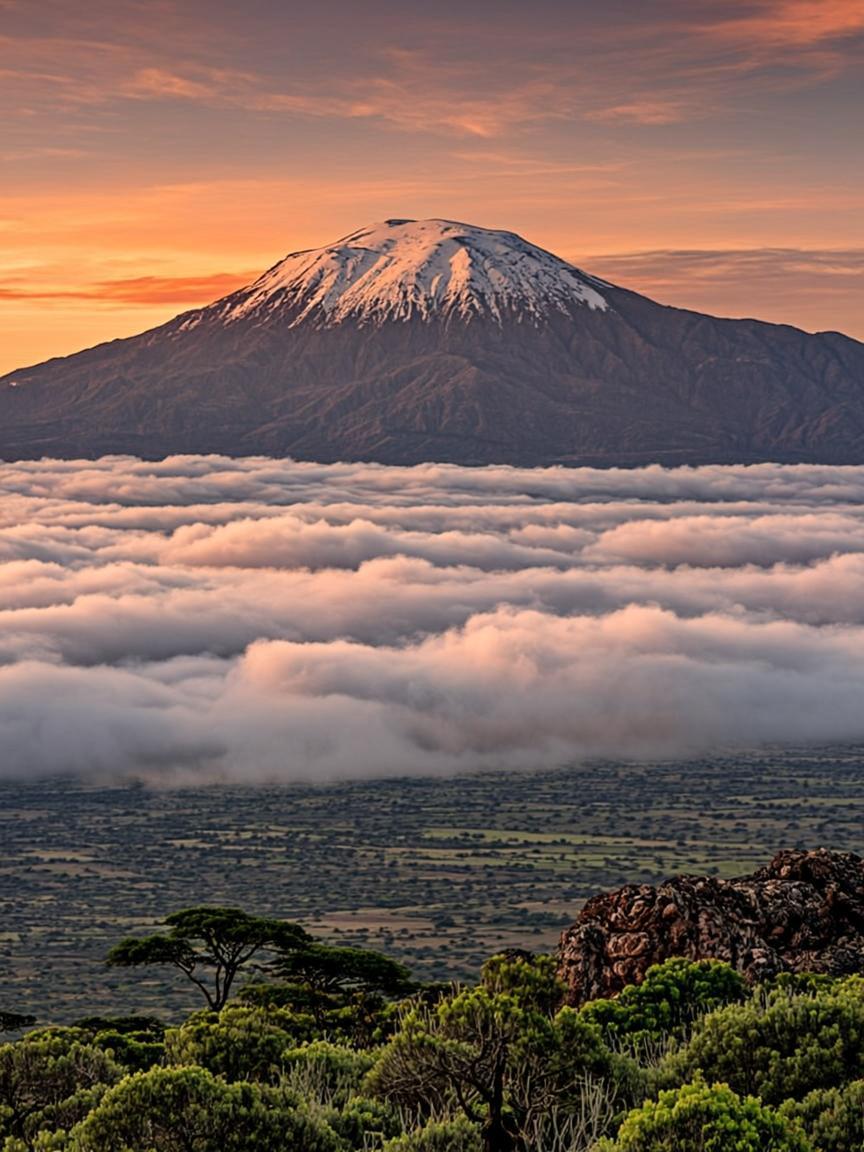
Mount Kilimanjaro takes you through five distinct climate zones, from tropical rainforest at the base to arctic conditions at the summit. The temperature can swing from 30°C at the gate to -20°C at Uhuru Peak. Proper packing isn't just about comfort — it's about safety and success. Every year, climbers turn back not because of fitness, but because they were inadequately prepared for the conditions.
The Layering System
The key to Kilimanjaro packing is the layering system. You need a base layer that wicks moisture, a mid-layer that insulates, and an outer layer that protects from wind and rain. This allows you to add or remove layers as conditions change throughout the day and at different altitudes.
Base Layer
Choose merino wool or synthetic moisture-wicking fabrics. Avoid cotton — it retains moisture and can lead to hypothermia. Pack 2-3 long-sleeve tops and 2-3 pairs of thermal underwear bottoms. Merino wool is ideal because it regulates temperature, wicks sweat, and naturally resists odors over multi-day treks.
Mid Layer
A warm fleece jacket or synthetic insulated jacket is essential. Down jackets are popular for summit night but lose insulating properties if wet. A synthetic fill jacket is more reliable in variable conditions. Pack one warm fleece and one insulated jacket.
Outer Layer
A high-quality waterproof and windproof shell jacket is non-negotiable. It must be breathable enough for hiking but protective enough for rain and summit winds. Look for Gore-Tex or equivalent. Pair this with waterproof rain pants that can be quickly pulled on over your hiking pants.
Footwear — The Most Important Item
Your boots will make or break your climb. Invest in waterproof, ankle-supporting hiking boots with good grip. Break them in thoroughly before the trip — blisters at 4,000 meters are miserable. Bring trail shoes or comfortable sneakers for camp wear. Pack 4-5 pairs of quality hiking socks (merino wool), and consider sock liners to prevent blisters.
Summit Night Essentials
Summit night is the coldest, hardest part of the climb. You'll start around midnight in sub-zero temperatures. Essential items include: a -20°C rated sleeping bag, insulated water bottle (water freezes at altitude), headlamp with extra batteries, warm hat, balaclava, ski goggles (for wind), and insulated gloves with liner gloves underneath.
Trekking Poles
Adjustable trekking poles reduce knee strain on descents and help with balance on steep, loose terrain. They are invaluable on summit night and the long descent. Collapsible poles that fit in your luggage are the best choice.
Personal Items and Medications
Pack a personal first aid kit with blister treatment, pain relief, and any prescription medications. Diamox for altitude sickness should be discussed with your doctor before the trip. Sunscreen (SPF 50+), lip balm with SPF, and UV-protective sunglasses are essential — UV radiation increases approximately 4% for every 300 meters of altitude.
What Not to Pack
Avoid cotton clothing, heavy jeans, excessive electronics, and unnecessary luxuries. Your porters carry your main bag (limited to 15kg), so every gram counts. Travel light, travel smart.