Preparing for Safari Photography
A Serengeti safari presents some of the most extraordinary photographic opportunities on Earth. But the difference between a snapshot and a compelling image often comes down to preparation, technique, and understanding animal behavior. After years of guiding photographers through the Serengeti, these are the lessons that make the biggest difference.
Gear Recommendations
For wildlife photography, a telephoto lens is essential. A 100-400mm or 200-500mm zoom lens provides the reach you need without the weight of a prime super-telephoto. Pair this with a wide-angle lens (16-35mm) for landscapes and environmental shots. A sturdy but lightweight beanbag is more practical than a tripod in a vehicle — it stabilizes your lens on the window frame or roof.
Camera Bodies
Modern mirrorless cameras with fast autofocus and high burst rates are ideal. The ability to shoot silently is a huge advantage — the electronic shutter won't disturb animals the way a mechanical shutter can. Bring two bodies if possible: one with a telephoto mounted and one with a wide-angle, so you never miss a moment switching lenses in dusty conditions.
Understanding Light
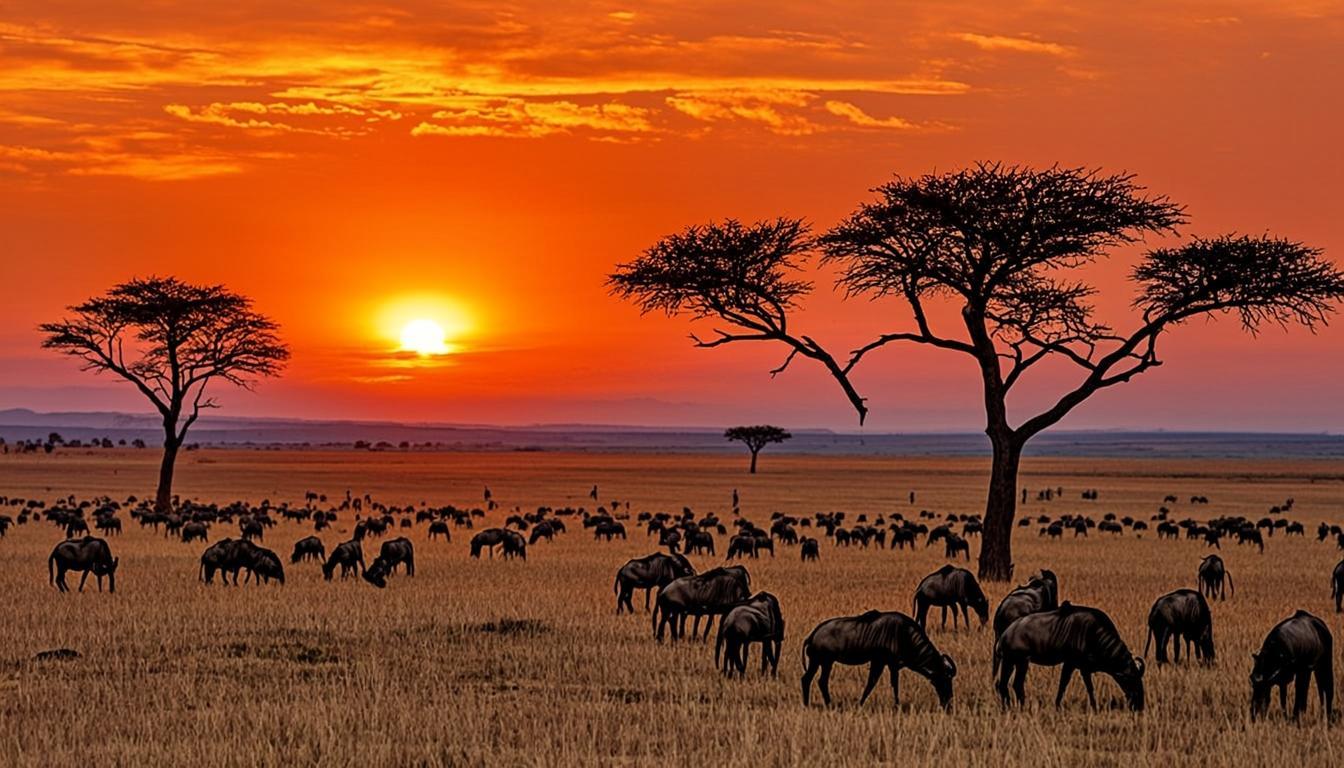
The golden hours — the first and last two hours of sunlight — are when the Serengeti truly glows. Low-angle light creates long shadows, warm tones, and dramatic atmosphere. Plan your game drives around these windows. Midday light is harsh and flat; use this time for rest or to practice bird photography in camp. On overcast days, the diffused light is actually excellent for portraits and close-ups, as it eliminates harsh shadows.
Composition Tips
Rule of thirds is your friend — place your subject off-center to create more dynamic images. For wildlife, position the animal looking into the frame rather than out of it. Include environmental context: a cheetah on a termite mound tells a richer story than a tight portrait. Use leading lines like rivers, roads, and animal trails to draw the viewer's eye. And don't forget to look behind you — sometimes the best shot is in the opposite direction from where everyone else is looking.
Camera Settings for Wildlife
Use shutter priority mode with at least 1/1000s for running animals, 1/500s for walking, and 1/250s for stationary subjects. Set your autofocus to continuous (AF-C) with dynamic area focus for moving subjects. Shoot in RAW for maximum editing flexibility. Keep your ISO as low as conditions allow, but don't be afraid to push it up — a slightly noisy sharp image is always better than a clean blurry one.
The Art of Patience
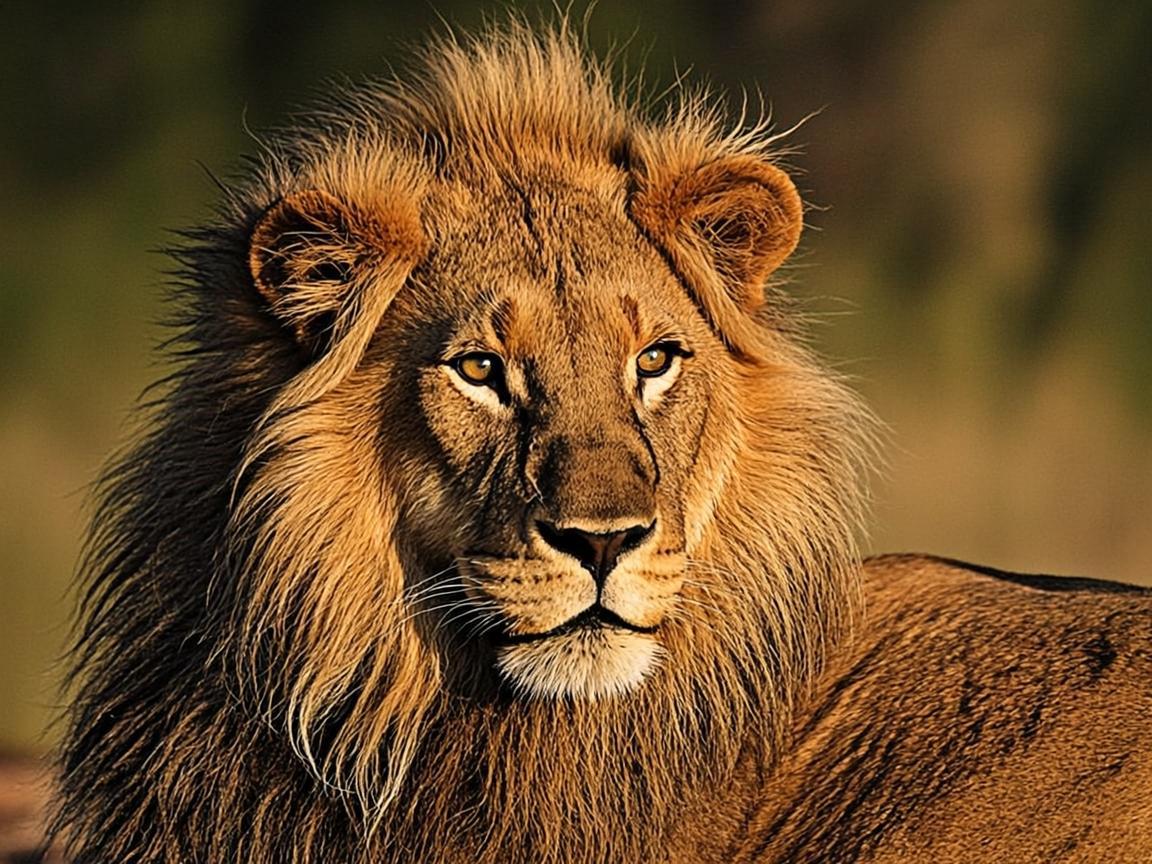
The best wildlife photographs come from patience, not luck. Spend time with a subject rather than rushing to the next sighting. Watch for behavioral patterns — a lion yawning repeatedly may be about to stretch, a cheetah scanning the horizon may be preparing to hunt. These moments of anticipation often produce the most powerful images.
Protecting Your Gear
Serengeti dust is fine and pervasive. Keep your camera in a bag when not shooting, use a rocket blower to clean lenses frequently, and never change lenses in a moving vehicle. Bring plenty of memory cards and batteries — there are no shops in the bush, and cold mornings drain batteries faster than expected.