A Natural Wonder Unlike Any Other
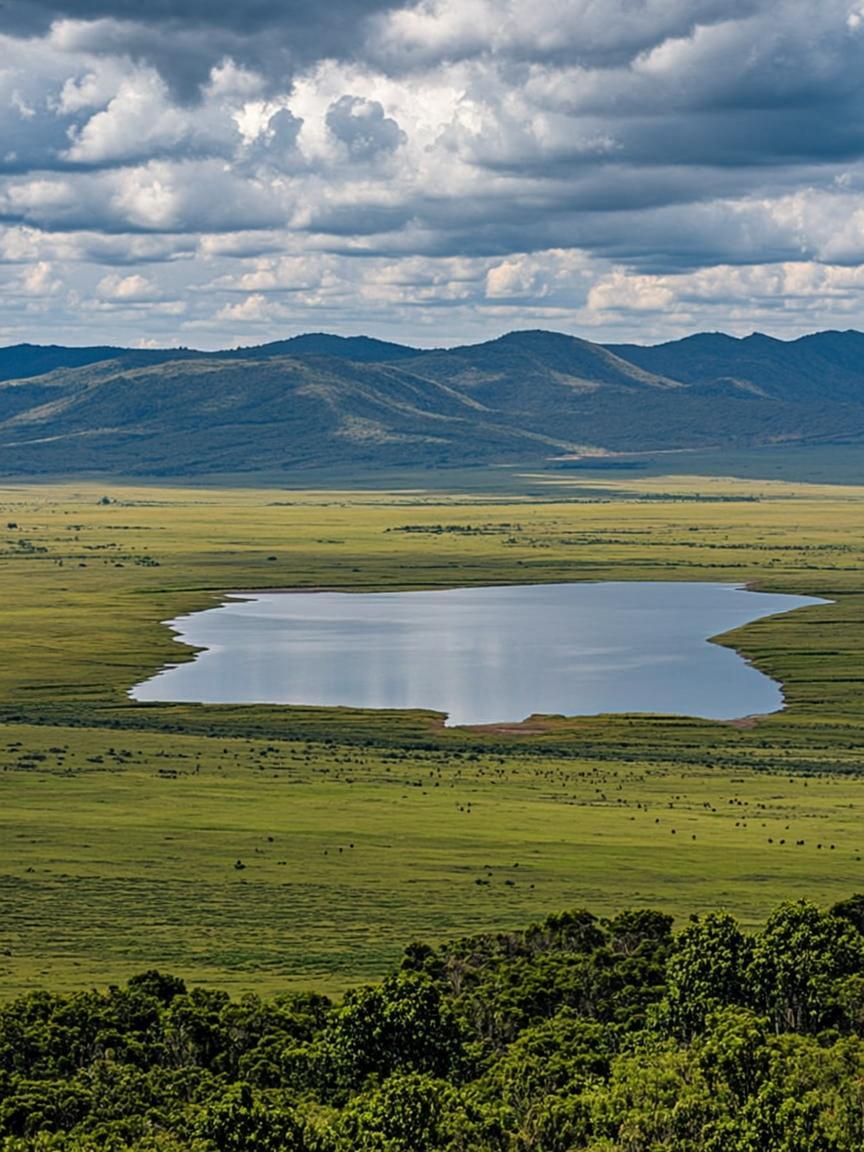
The Ngorongoro Crater is a place that defies description. Standing on the crater rim at dawn, looking down into the 260-square-kilometer caldera 600 meters below, you understand why it is called Africa's Garden of Eden. The crater floor supports an extraordinary density of wildlife in a self-contained ecosystem that feels like a world apart — because it almost is.
Getting There
The Ngorongoro Conservation Area is located in northern Tanzania, approximately 190 kilometers west of Arusha. Most visitors arrive by road as part of a northern circuit safari, with the drive from Arusha taking about 3-4 hours. The crater rim sits at approximately 2,300 meters above sea level, so you may notice the cooler temperatures and thinner air, particularly if you've come directly from the coast.
Planning Your Crater Day
A typical crater visit begins early. You'll descend the steep access road at first light, reaching the crater floor as the morning mist lifts and animals are most active. The descent takes about 30 minutes. Once on the floor, your guide will drive a circuit covering the main habitats: the open grasslands, Lerai Forest, Lake Magadi, and the swamps. Most game drives last 5-6 hours with a picnic lunch stop near the hippo pool. You must exit the crater by 3:30 PM under TANAPA regulations.
Wildlife Highlights
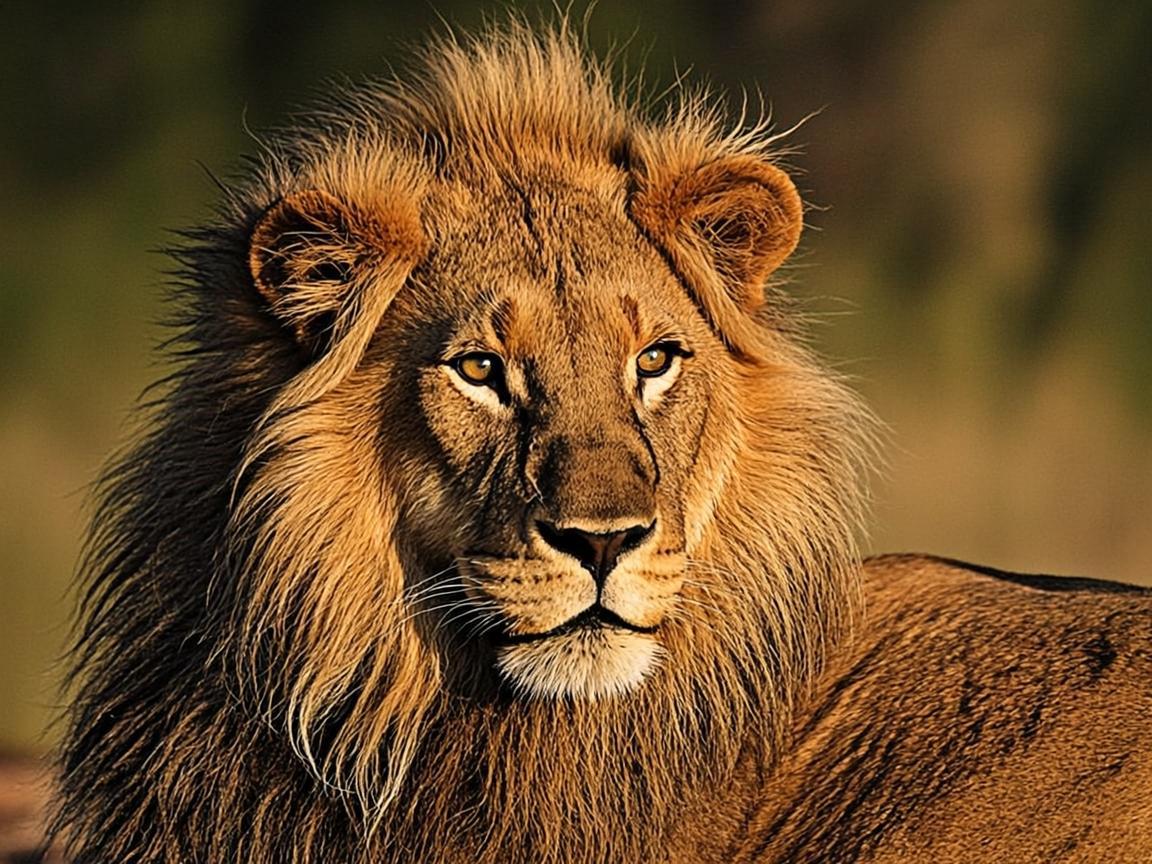
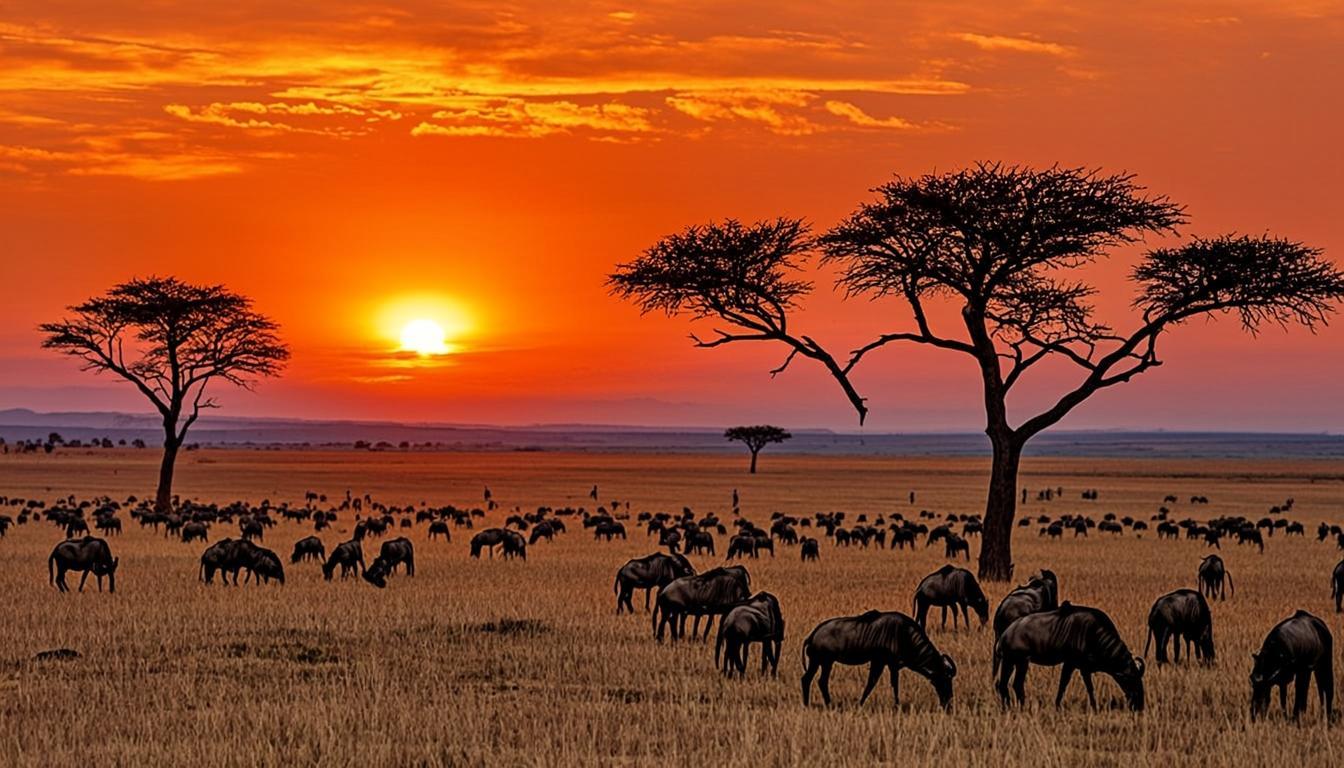
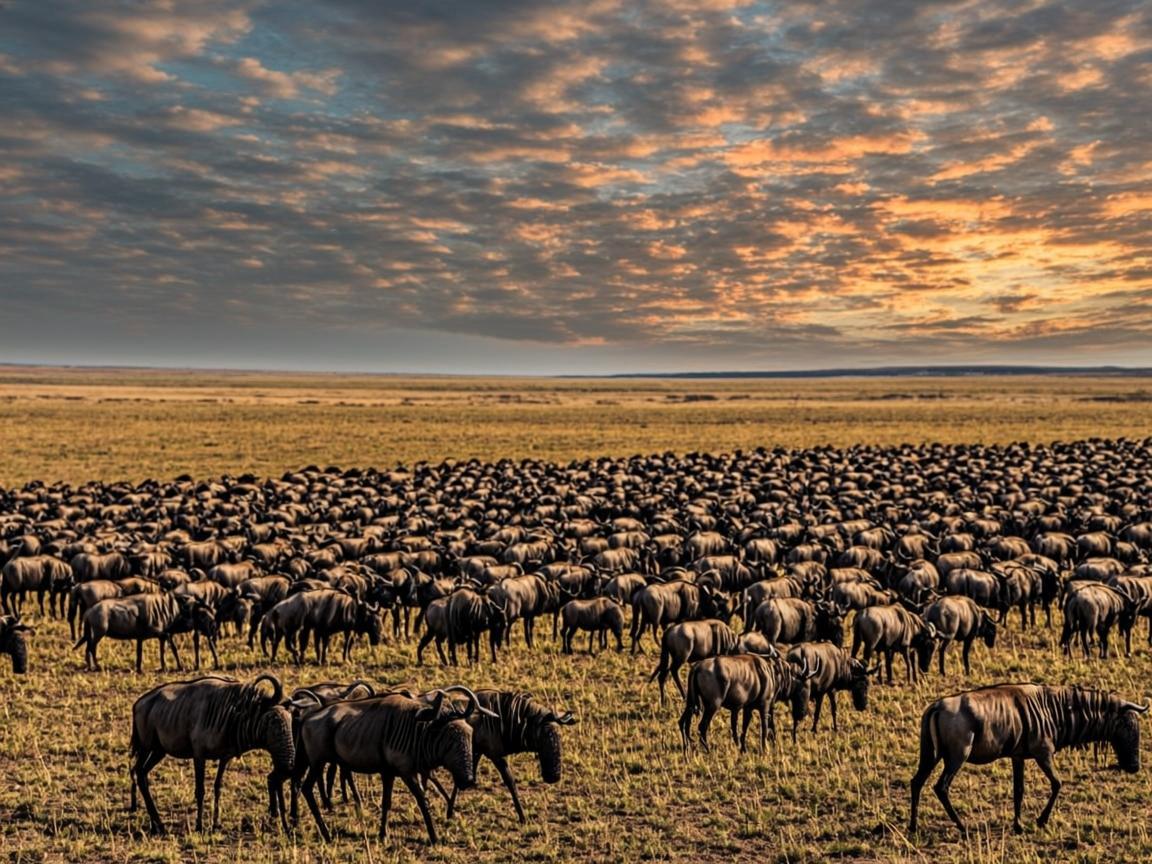
The crater is one of the few places in Africa where you can realistically see all of the Big Five in a single day. The crater's black rhino population is carefully protected and frequently spotted on the open plains. Large-tusked elephants are commonly seen in the Lerai Forest. Lion prides are numerous and habituated, often providing excellent photographic opportunities. Leopard, while present, are more elusive and typically found in the forested areas. Beyond the Big Five, the crater supports vast herds of wildebeest, zebra, and buffalo, plus large flocks of flamingo on Lake Magadi.
Best Time to Visit
The crater is a year-round destination, but each season offers something different. The dry season (June-October) provides the best visibility and wildlife concentrations around remaining water sources. The green season (November-May) transforms the crater into a lush paradise with fewer vehicles, though roads can be muddy. The flamingo flocks on Lake Magadi are typically largest during the dry season when the lake is shallower and more concentrated.
Beyond the Crater Floor
While the crater floor is the main attraction, the Ngorongoro Conservation Area offers much more. The Empakaai Crater, a smaller, more remote caldera with a flamingo-filled soda lake at its base, is a stunning hiking destination. Olmoti Crater offers a gentle walk through highland forest to a waterfall. The Olduvai Gorge, where some of humanity's oldest ancestors were discovered, is a must-visit for anyone interested in our origins. And the shifting sands — a crescent-shaped dune that moves steadily across the plains — is one of the area's most curious natural phenomena.
Accommodation Options
Lodges on the crater rim offer breathtaking views and convenient access for the morning descent. Our preferred properties include the luxury lodges with panoramic terraces, as well as intimate tented camps on the eastern rim. For a more immersive experience, consider staying in the nearby highlands, where walking safaris and cultural visits complement your crater day perfectly.