Is a Safari Right for Your Family?
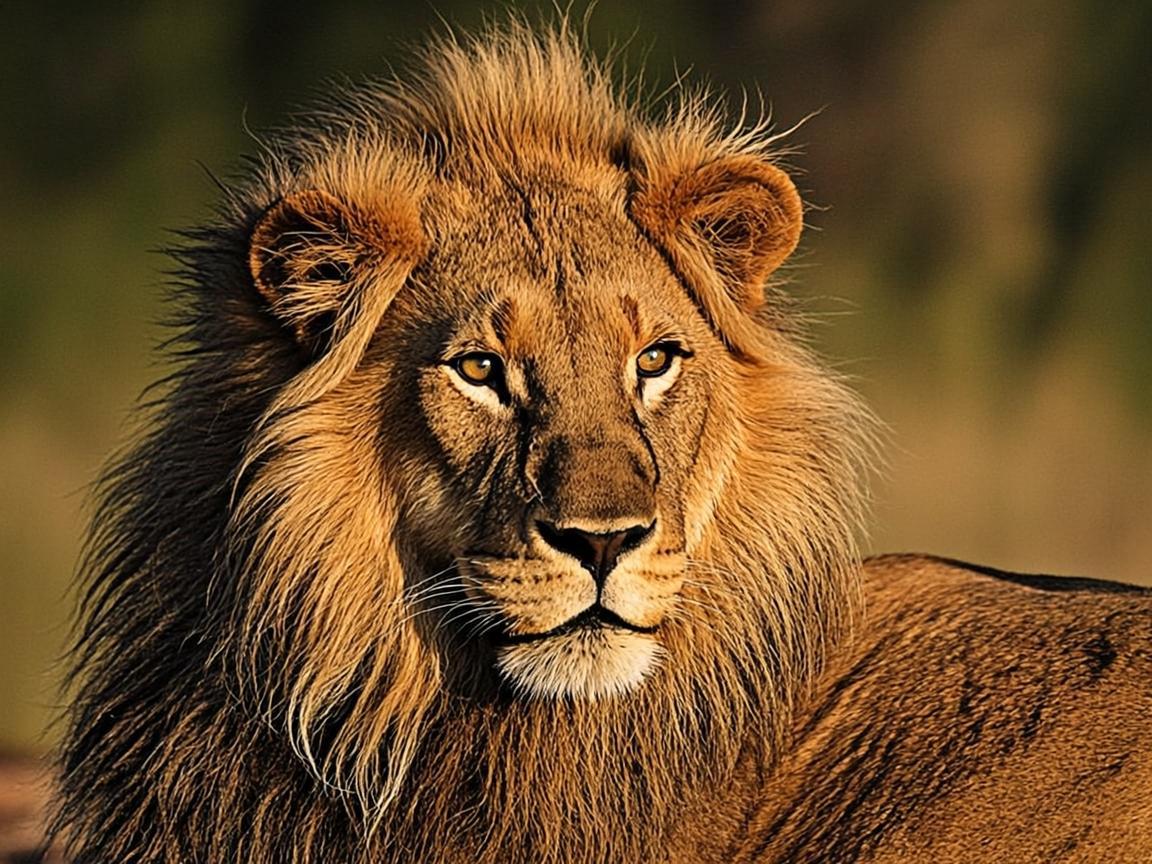
A family safari in Tanzania is not just possible — it can be one of the most rewarding experiences you'll ever share. Watching your child's eyes light up at their first elephant sighting, seeing them learn to identify animal tracks, or hearing them chatter excitedly about a lion pride — these are moments that create lifelong bonds and spark a love of nature that no classroom can replicate.
Choosing the Right Age
While there is no single "right" age, children aged 6 and above typically get the most from a safari experience. They can follow safety instructions, stay engaged during game drives, and appreciate the wildlife. That said, we've hosted families with children as young as 3 who had wonderful experiences with the right itinerary. The key is choosing age-appropriate activities and pacing the trip to match your children's energy levels and attention spans.
Family-Friendly Itineraries
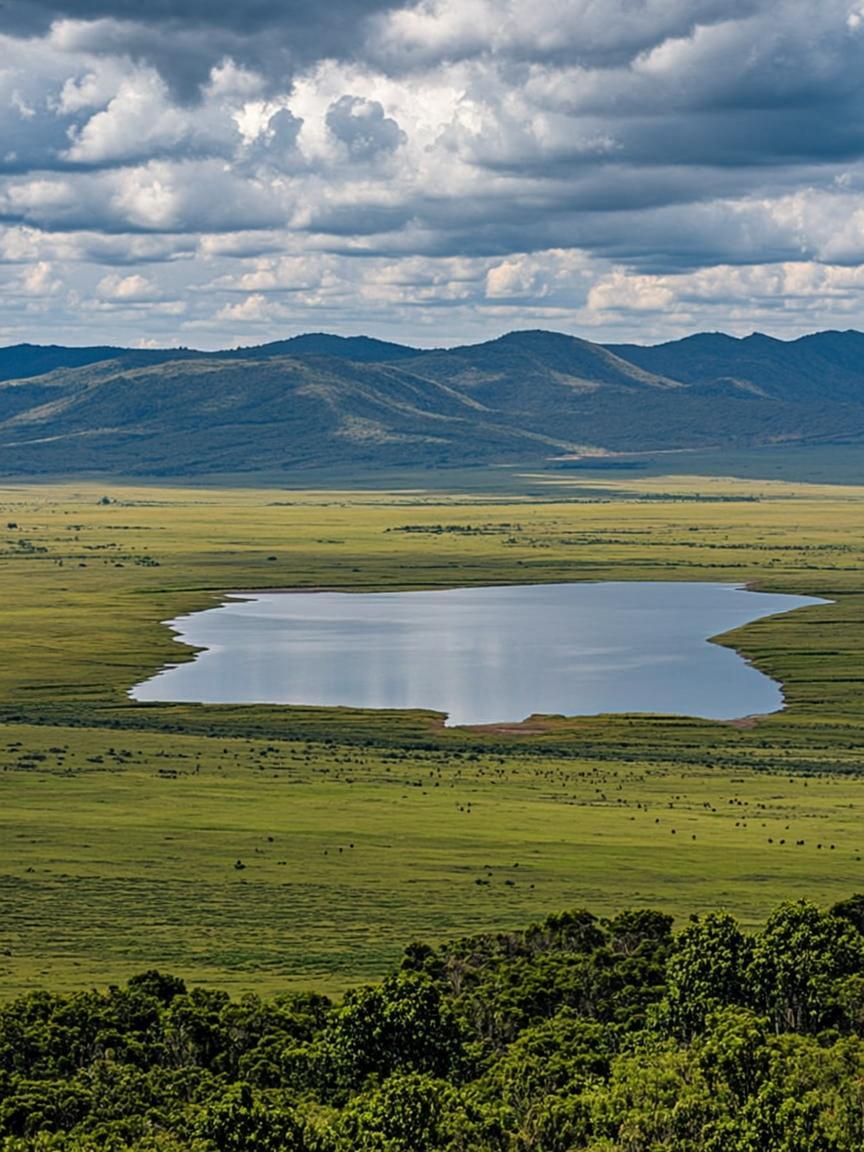
The best family safaris balance game drives with variety and downtime. We recommend shorter game drives (3-4 hours rather than full-day excursions), interspersed with cultural visits, nature walks, and pool time at camp. Tarangire and Lake Manyara are excellent choices for families — they offer great wildlife viewing without the long drives of the Serengeti. A 5-7 day itinerary with 2-3 parks is ideal for most families.
Choosing the Right Accommodation
Family-friendly lodges and camps make a huge difference. Look for properties with family tents or interconnecting rooms, swimming pools, and flexible meal times. Some camps offer dedicated children's programs with bush craft lessons, animal identification activities, and junior ranger certificates. We work with a carefully selected range of family-friendly properties that welcome children and cater to their needs.
Keeping Kids Engaged
The secret to a successful family safari is engagement. Before the trip, watch wildlife documentaries together and let children help plan the itinerary. On safari, give them a camera or binoculars of their own. Many of our vehicles have roof hatches that children love standing through. Our guides are skilled at making game drives interactive — teaching children to identify animal tracks, bird calls, and dung. We can also arrange bush breakfasts, Maasai village visits, and nature walks that bring the safari to life for young minds.
Health and Safety
Tanzania is a safe destination for families, but standard travel health precautions apply. Consult your pediatrician about malaria prophylaxis — this is the most important health consideration. Pack a comprehensive first aid kit with child-appropriate medications. Our vehicles are enclosed and secure, and our guides are trained in first aid. All camps have emergency communication and evacuation plans. Sun protection (hats, sunscreen, long sleeves) is essential at altitude and on the equator.
What to Pack for Kids
Comfortable, neutral-colored clothing in layers, a wide-brimmed hat, closed-toe shoes, and a warm jacket for early morning drives. Binoculars designed for children, a digital camera, a wildlife checklist, and a journal for recording daily sightings will keep them engaged. Don't forget snacks, water bottles, and entertainment for downtime at camp. A small backpack they can carry themselves gives them a sense of ownership over the adventure.
Making Memories Last
Encourage children to keep a safari journal or scrapbook. Many families create a tradition of sharing their "best moment of the day" at dinner. Our guides provide junior ranger certificates at the end of the safari — a treasured memento that often ends up framed on a bedroom wall. The memories you create on a family safari will last a lifetime.