Why Cultural Tourism Matters
Tanzania is home to over 120 ethnic groups, each with distinct traditions, languages, and ways of life. While the wildlife draws visitors from around the world, it is often the cultural encounters that leave the deepest impression. Responsible cultural tourism provides income to local communities, preserves traditional knowledge, and creates meaningful connections between travelers and the people who call this land home.
Maasai Cultural Experiences
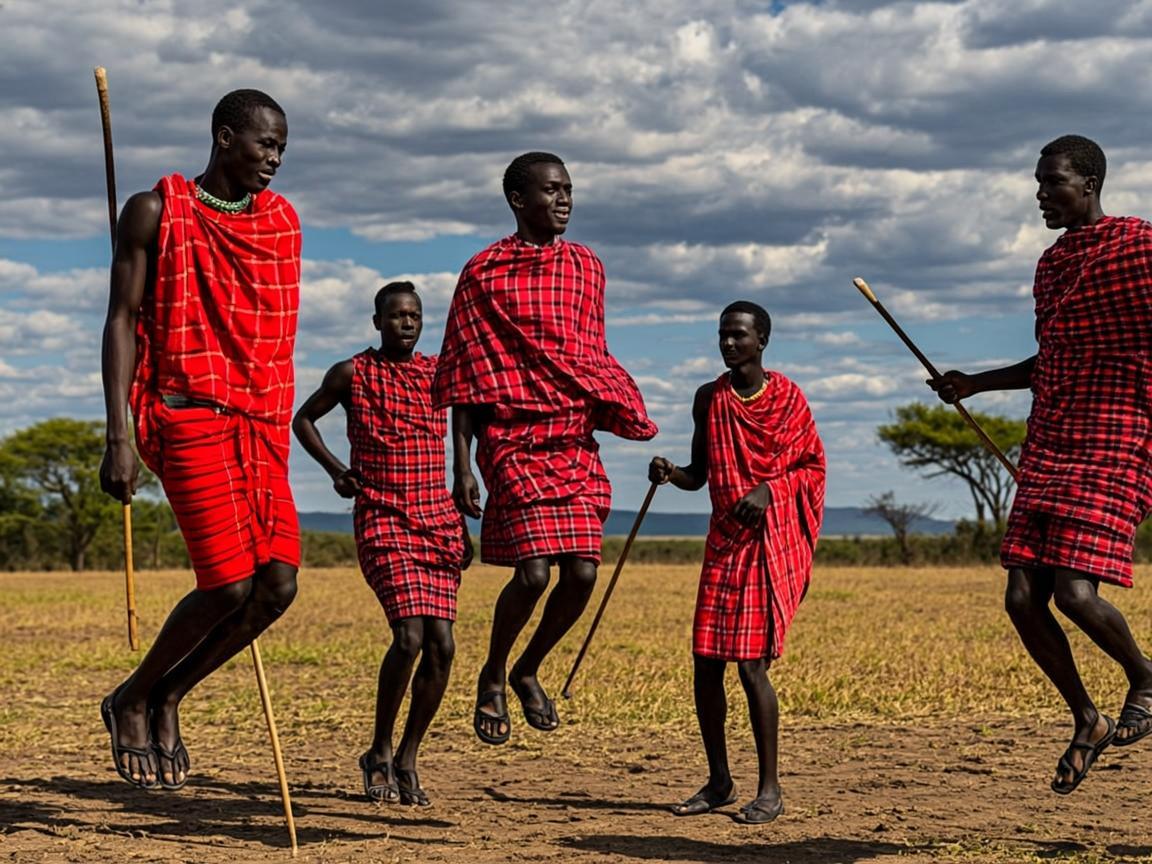
The Maasai are perhaps the most iconic of Tanzania's ethnic groups, and for good reason. Their semi-nomadic pastoral lifestyle, distinctive red shukas, and deep connection to the land have fascinated visitors for generations. A visit to a Maasai boma (homestead) offers insight into traditional architecture, livestock management, and community structure. However, it is crucial to choose experiences that are community-run and respectful — not performative shows designed for tourist cameras.
Chagga Coffee and Banana Farms
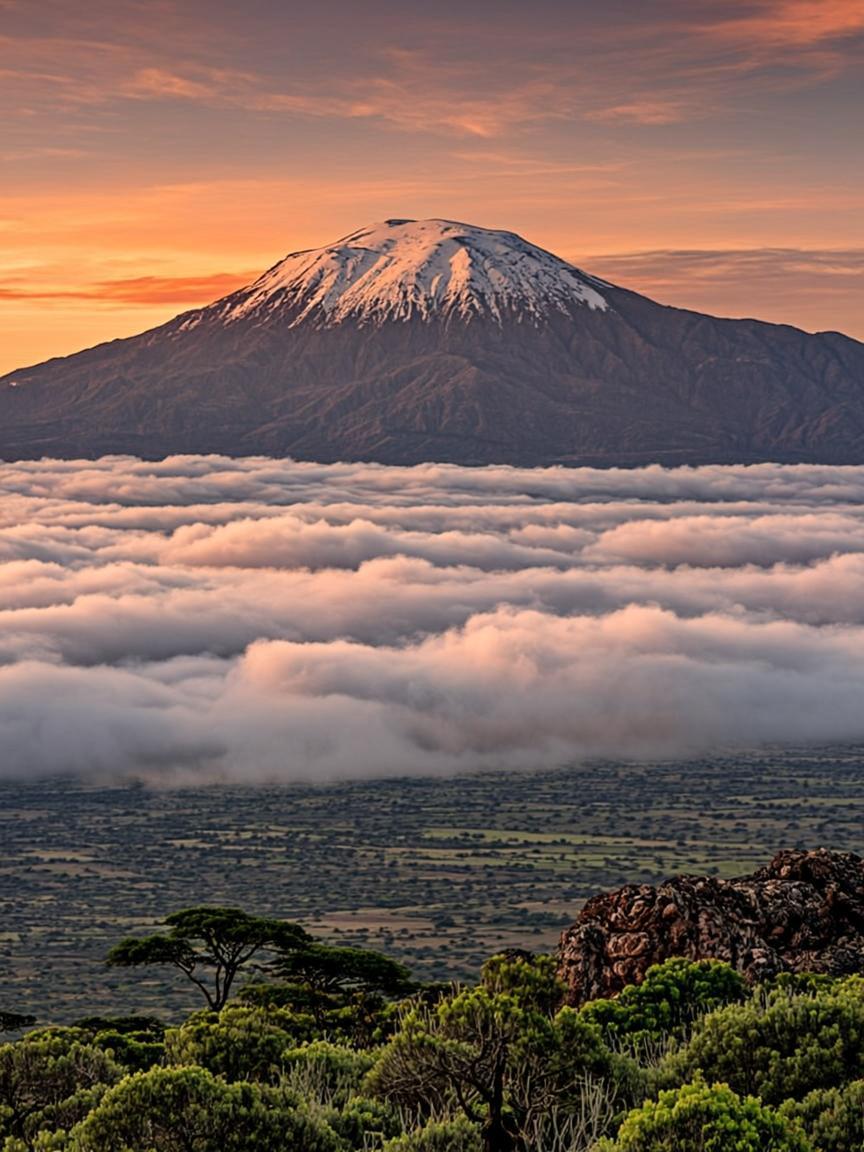
On the fertile slopes of Mount Kilimanjaro, the Chagga people have farmed coffee and bananas for centuries using ingenious irrigation systems. A visit to a Chagga farm reveals the entire coffee process from cherry to cup, often roasted over an open fire and ground by hand. Many farms also serve traditional Chagga meals — banana soup, grilled plantains, and locally grown vegetables. This is agro-tourism at its most authentic.
Hadzabe Hunter-Gatherers
Near Lake Eyasi, the Hadzabe are one of the last hunter-gatherer communities in East Africa. A morning with the Hadzabe offers a rare glimpse into a way of life that has remained largely unchanged for thousands of years. Join them on a hunt with traditional bows and arrows, learn about wild honey gathering, and sit around the fire as they share stories in their distinctive click language. This is one of the most profound cultural experiences available in Tanzania.
Datoga Blacksmiths
Also near Lake Eyasi, the Datoga people are skilled blacksmiths who craft arrowheads, bracelets, and tools using traditional methods passed down through generations. Watching a Datoga smith work bellows made from goat skin and shape metal over a charcoal forge is like stepping back in time. Their intricate jewelry and metalwork make meaningful souvenirs that directly support the artisans.
Spice Tours in Zanzibar
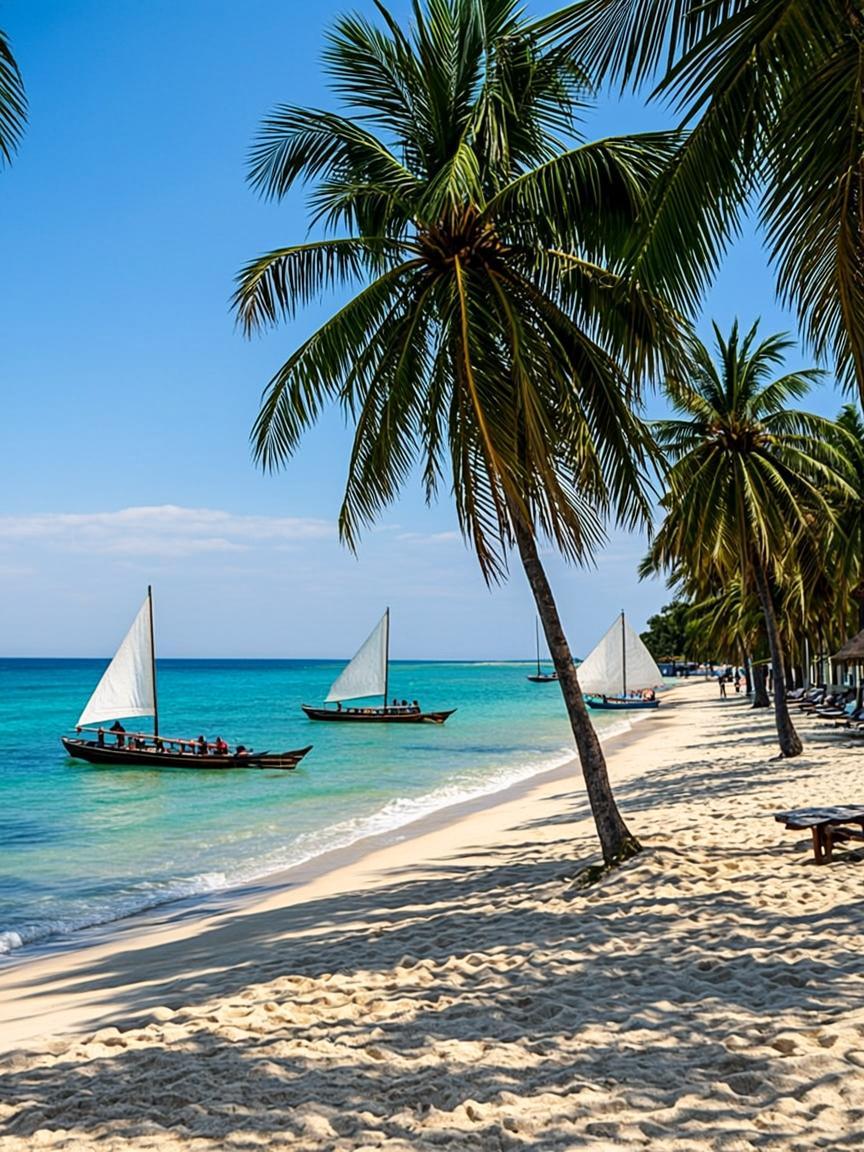
Zanzibar's spice plantations are a sensory journey through the island's agricultural heritage. Walk through fragrant groves of cloves, nutmeg, cinnamon, vanilla, and cardamom while learning about their historical significance and traditional uses. Many spice farms include a traditional Swahili cooking demonstration, where you can learn to prepare dishes using the freshly harvested spices.
Responsible Cultural Tourism
We believe cultural tourism should benefit communities directly. All our cultural experiences are arranged in partnership with local communities, ensuring fair compensation and authentic representation. We avoid experiences that reduce cultures to spectacles and instead focus on genuine exchanges that foster understanding and respect. When you book a cultural experience with Hadada Safaris, you are supporting the preservation of Tanzania's incredible cultural diversity.