More Than a Beach Destination
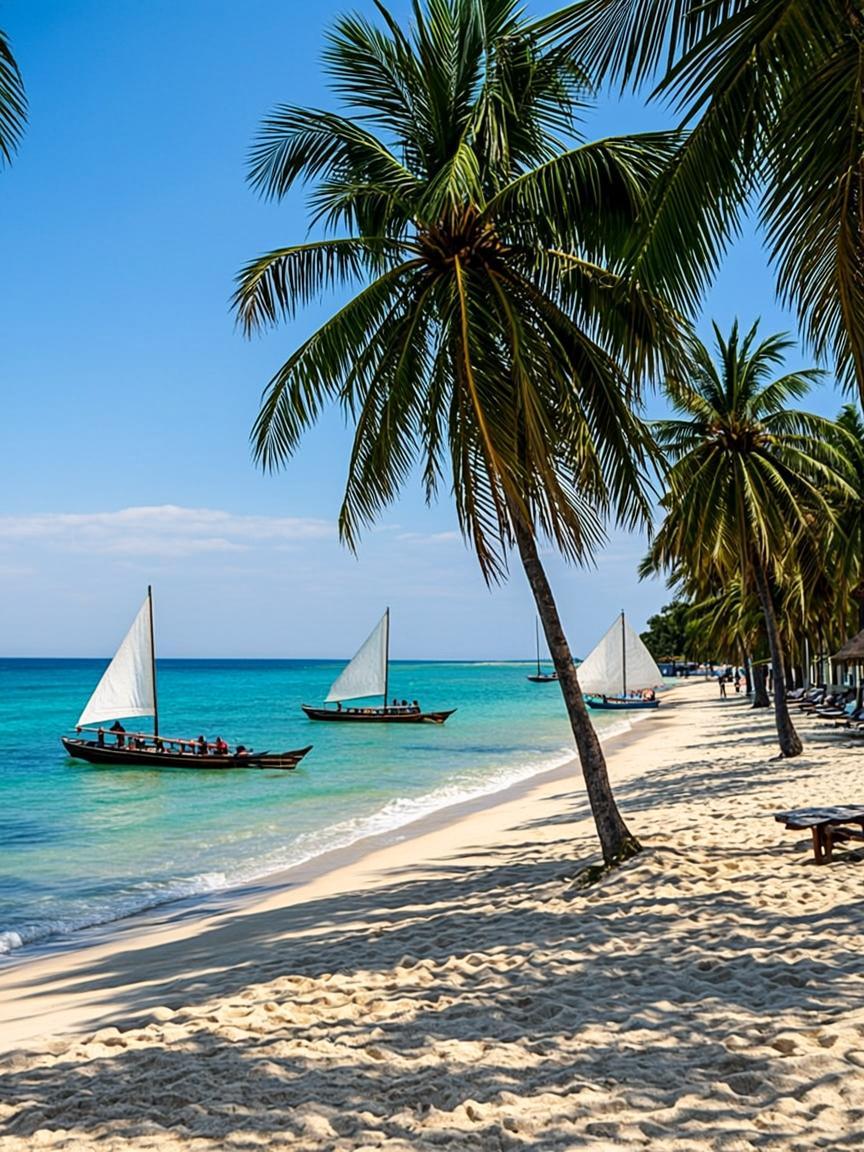
Zanzibar is famous for its turquoise waters and powder-white beaches, but the island offers so much more than sand and sea. This ancient archipelago has been a crossroads of civilizations for over a millennium, and its rich tapestry of Swahili, Arab, Persian, Indian, and European influences creates a cultural experience that is truly unique in East Africa.
Stone Town — A Living Museum
Stone Town is the cultural heart of Zanzibar and a UNESCO World Heritage Site. Its labyrinth of narrow streets reveals ornate carved doors, crumbling palaces, bustling bazaars, and hidden courtyards. Every corner tells a story: the former slave market, the Sultan's palace, the Old Fort, and the House of Wonders. The best way to explore is simply to wander — get lost in the streets, follow the call to prayer, and emerge at the waterfront for sunset. The night market at Forodhani Gardens is an essential experience, where locals and visitors gather for Zanzibar pizza, grilled octopus, and fresh sugar cane juice.
Spice Farm Tours
Zanzibar earned its nickname "The Spice Island" for good reason. Cloves, nutmeg, cinnamon, vanilla, cardamom, and black pepper all thrive in the island's tropical climate. A spice farm tour is a sensory journey where you'll taste, smell, and touch the plants that shaped the island's history and economy. Many farms include a traditional cooking demonstration and a Swahili lunch prepared with freshly harvested spices.
Marine Adventures
The waters around Zanzibar offer world-class snorkeling and diving. The Mnemba Atoll marine reserve, off the northeast coast, is one of the best snorkeling spots in East Africa, with crystal-clear water, vibrant coral, and abundant marine life. Dolphin watching is popular in Kizimkazi on the south coast, where pods of bottlenose and spinner dolphins frequent the bay. For the ultimate marine encounter, head to Mafia Island between October and March for a chance to swim with whale sharks.
Prison Island (Changuu)
A short boat ride from Stone Town, Prison Island is home to a population of giant Aldabra tortoises, some over 150 years old. The island also features a historic quarantine station built in the 1890s and offers excellent snorkeling in the surrounding coral gardens. It's a perfect half-day excursion that combines history, nature, and relaxation.
Jozani Forest
Jozani Chwaka Bay National Park is Zanzibar's only national park and home to the rare red colobus monkey, found nowhere else on Earth. A guided walk through the mangrove boardwalk and mahogany forest reveals these charismatic primates at close range, along with Sykes' monkeys, bush babies, and over 100 species of butterfly. The forest is a peaceful escape from the coast and an important conservation success story.
Swahili Cuisine
Zanzibar's cuisine reflects its multicultural heritage. Sample pilau (spiced rice), biryani, octopus curry, coconut bean soup, and the legendary Zanzibar mix — a street food extravaganza of cassava, fried fish, and chili sauce. Take a cooking class to learn the art of Swahili cooking, from grinding spices in a mortar to perfecting the layers of a coconut curry. Food is the most delicious way to understand Zanzibar's soul.